It started with a happy accident. I had finished a lesson with my Year 8s and, surprisingly, we had powered through the material with 15 minutes to spare. My plan for the next lesson was to introduce Fertilisers and Pesticides by looking at the etymology of the words. I thought, "Why not? Letโs lean into… Continue reading Chlorine is Green, Zoos Have Life and Kings are Killed: Using Etymology in Science

Category: hinterland
Usefully Incorrect: John Dalton and the Power of a Good Model
John Dalton, known as the father of Atomic Theory, transformed ancient ideas into a foundational understanding of matter through his revolutionary model of the atom. His work laid essential principles for modern chemistry, emphasizing that science evolves by building on previous knowledge, even if initial theories are later proven inaccurate.
Toxic Legacies: Mercury, Minamata, and Karen Wetterhahn
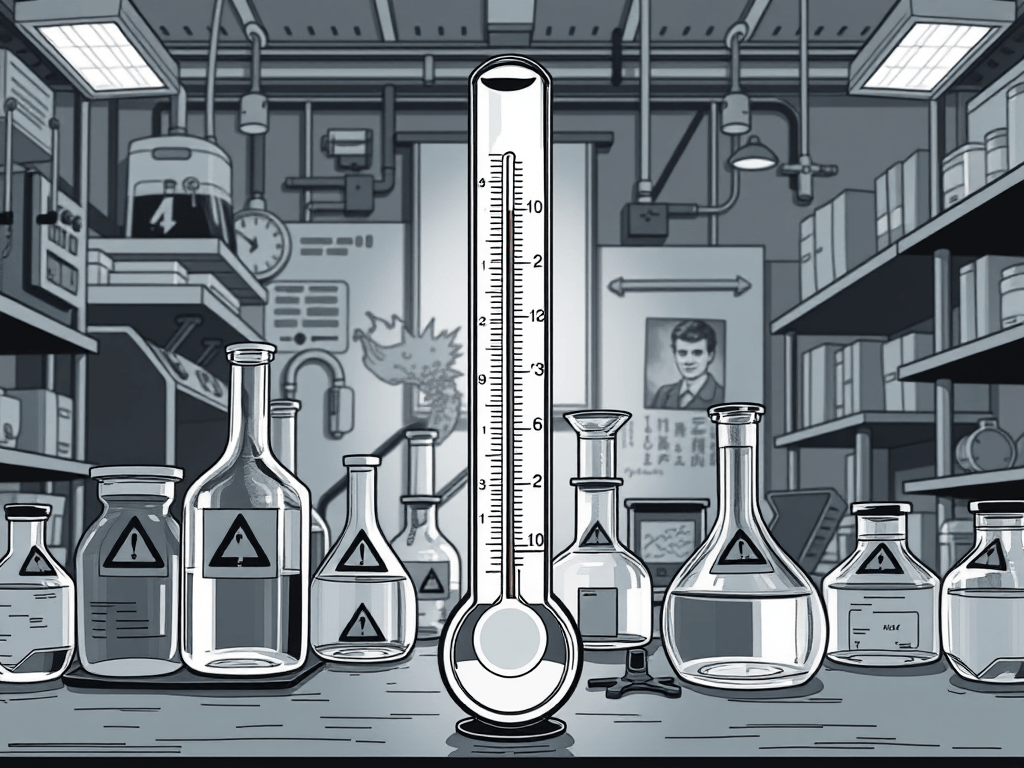
Laboratory safety is essential for aspiring scientists, yet often neglected due to complacency and external pressures. The tragic case of Professor Karen Wetterhahn, who died from mercury exposure despite following safety protocols, underscores the importance of vigilance and continuous education. Lessons from past incidents like Minamata Disease emphasise the need for strict safety standards.
Curing Malaria Under the Secracy of War: Who was Tu Youyou and what was Project 523?
During the Vietnam War, malaria surged, prompting Ho Chi Minh to seek help from China. This led to Mao Zedong initiating Project 523, where scientist Tu Youyou discovered artemisinin, a revolutionary malaria treatment. Despite initial secrecy, artemisinin's contributions to global health were eventually recognised, culminating in Tu's Nobel Prize in 2015.