
Today we look at science as the bastion of doing the right thing. Yes, there are certain recent developments that have questionable ethics, but after the 1964 Declaration of Helsinki human experimentation has since centred around ‘informed consent’.
The history of science has a dark past but if it wasn’t for these past atrocities, significantly more people may have been subject to a horrendous end of life.
Hepatitis is the inflammation of the liver. It is most commonly caused by a number of viruses (A, B, C, D, and E) that each has a plethora of ways of infecting humans such as sexual, contaminated food and/or water, and intravenous drug use.
It has been written about for centuries and had previously just been known as jaundice syndrome due to it causing the yellowing of the eyes and skin. During World War II there were multiple outbreaks of the disease with almost 10 million people suspected to be infected with the disease. But, then came New York University scientist Saul Krugman and Willowbrook State School in New York during the years 1958 to 1964.
Due to the high level of soldiers affected by hepatitis, the US sought to find a vaccine for the disease and following a proposal by Krugman to create a vaccine, funded his research at Willowbrook.
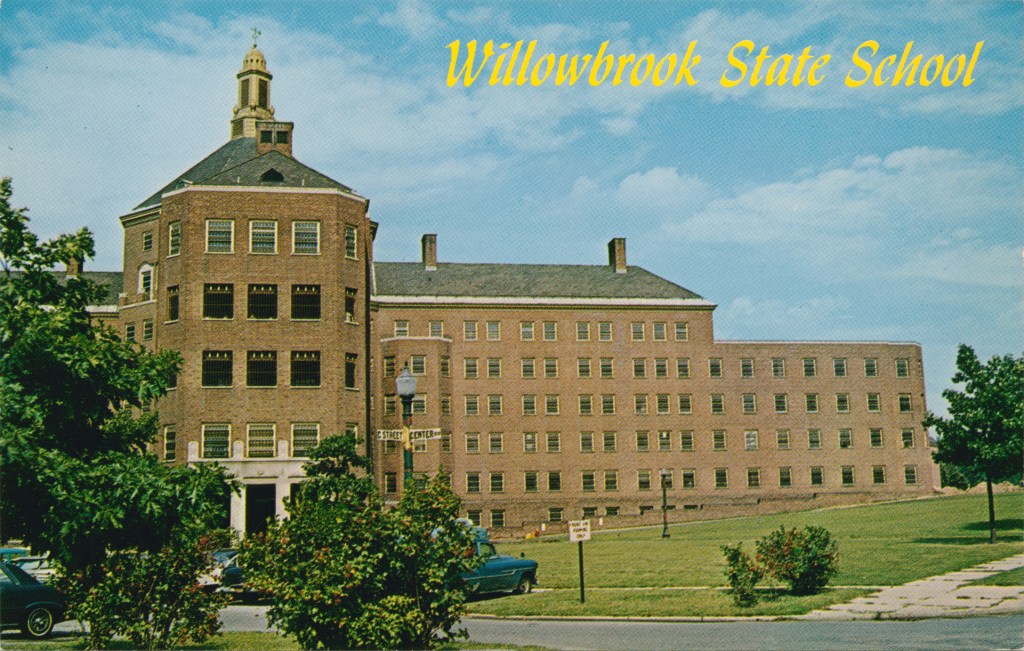
Willowbrook State School was described as a school for ‘children with intellectual disabilities’. Hepatitis was common at the school which meant it was the prime place for investigating the causes of the disease. As the school was significantly overcrowded, Krugman used this to his advantage by allowing parents of children with disabilities to skip the waiting list by telling them they were eligible for a hepatitis vaccine – a vaccine that had yet to be developed.
The first depraved step taken by Krugman was to inject the immunoglobulins of children who had recovered from hepatitis and inject them into children who did not have symptoms of the disease. Rather than wait to see if the children ever developed the characteristic yellowing of the skin and eyes, he accelerated the process in a pretty disgusting way.
Krugman took the faeces of those who were infected with hepatitis and blended them with chocolate shake mix to make a faeces-milkshake concoction.
Whilst this is clearly amoral, Krugman continued to take it one unethical step further. Repeatedly.
He continued to feed the freshly admitted children under his care with excrement-laden milkshakes even after they had recovered. The aim of this was to see how much a person needed to be infected with to cause the disease and to determine if you could be reinfected with hepatitis.
Yes, there were many questions raised about Krugman’s work, but he was successful in identifying two different strains of the disease – Hepatitis A, spread through contaminated faecal matter; and Hepatitis B, circulated by exposure to infected blood.
Key takeaways from this study accelerated the development of the Hepatitis B vaccine through the discovery of the ‘Australia Antigen’ but obvious questions arise. Would the vaccine have been developed if it wasn’t for the events at Willowbrook, and even if it did, should they have even taken place, to begin with?
This is an important conversation to have as it raises the unethical nature of the development of many different treatments we have for diseases and whether we should venerate those who conduct them – yet here I am talking about Saul Krugman and not those under his watch.
The original promise given to the parents of the students at Willowbrook State School that their children would be given a vaccine for the disease was untrue. They did not receive a vaccine whilst under his care.
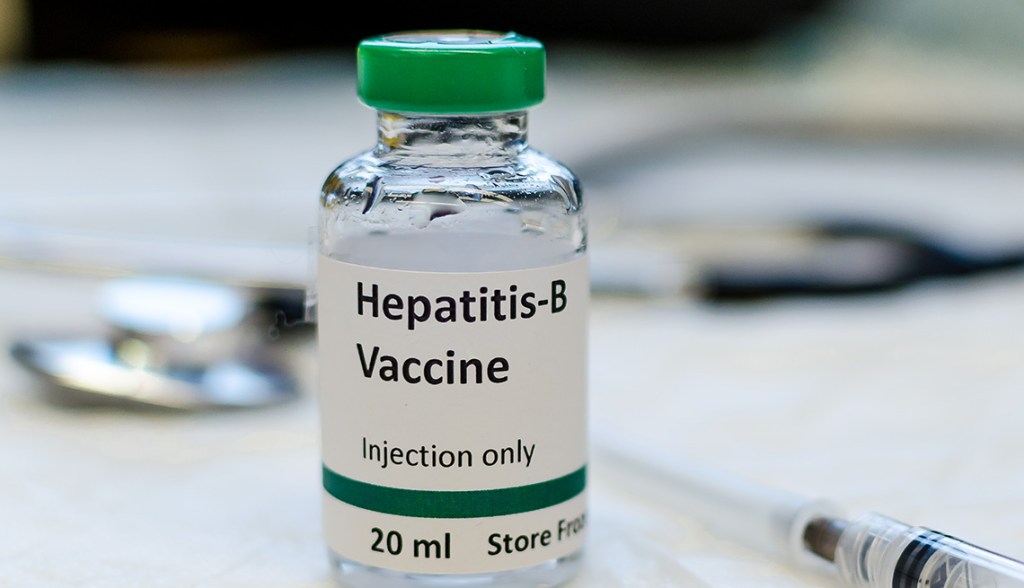
Willowbrook continued to be a site of scandals with Robert F. Kennedy describing those living at the site as “living in filth and dirt, their clothing in rags, in rooms less comfortable and cheerful than the cages in which we put animals in a zoo.”
With controversy continuing, and a campaign for its closure, the last pupils left the building in 1987 and it has since become part of the College of Staten Island.
 inquestion.
[…] Hepatitis A, B, C, D, and E each carry with them their own interesting story that perfectly illustrates how science builds on the shoulders of those who have come before them. Personally, my favourite of these is the story of the race for a Hepatitis A vaccine at Willowbrook State School in New York. You can read the story of faeces-laden milkshakes here. […]
LikeLike